

The 80/20 Rule in Painting: Why Most Art Is Process, Not Outcome
In every artist’s journey, there is a quiet truth rarely spoken about openly: not every artwork is meant to be exceptional. And yet, every artwork is necessary.
This idea aligns closely with the 80/20 Rule, also known as the Pareto Principle , a concept originating in economics, but one that resonates deeply within creative practice. It suggests that 80% of results often emerge from just 20% of effort. Translated into the language of painting, it reveals something both humbling and reassuring:
Only a small portion of what an artist creates will define their strongest, most memorable work.
The Reality of Artistic Production
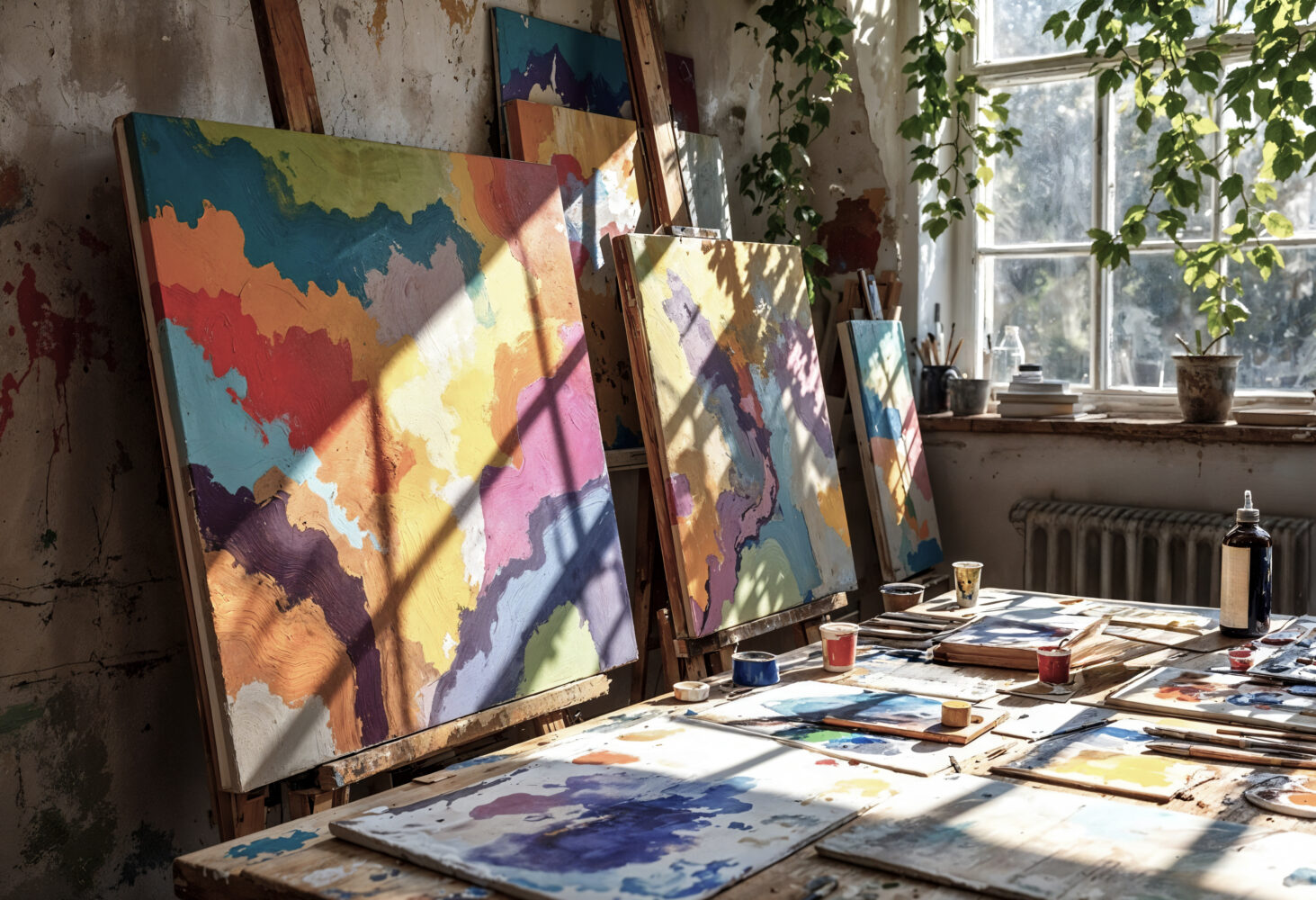
Behind every powerful painting is a body of unseen labor, sketches, studies, failed attempts, revisions, and experiments that never leave the studio. These works are not mistakes; they are the foundation.
In painting, the 80/20 rule reminds us that:
A limited number of works will carry long-term impact
Artistic clarity emerges through repetition
Process outweighs outcome
What we often celebrate publicly exhibitions, collections, signature pieces, represents only a fraction of what is actually made.

Why Making “More” Matters
In contemporary art culture, there is increasing pressure to produce only resolved, exhibition-ready work. This expectation can suffocate experimentation and delay growth.
The 80/20 principle offers a necessary counterpoint:
You cannot plan your most powerful painting
You encounter it through consistent practice
Quantity creates space for discovery
Artists do not arrive at their voice through hesitation, but through continuity.

The Unseen Value of the Studio
The majority of paintings, the 80% exist to serve a purpose that is not always visible:
refining technique
understanding material
testing ideas
confronting limitations
These works shape the artist long before they shape an audience.
From a curatorial and editorial perspective, this is where authenticity is formed in the persistence of the studio, not only in the final frame on the wall.

Applying the 80/20 Mindset as an Artist
Embracing this principle allows artists to work with greater honesty and freedom:
to create without immediate validation
to accept inconsistency as part of growth
to observe patterns within their strongest work
to recognize that every piece contributes, even quietly
It shifts the focus from perfection to practice, from outcome to continuity.

A Closing Reflection
The 80/20 rule does not diminish the value of art it reframes it.
It reminds us that artistic excellence is not a constant state, but a moment that emerges from dedication, repetition, and resilience. In painting, as in life, meaning is often revealed through accumulation.
For artists navigating doubt or creative fatigue, this is a gentle reminder:
Your most significant work is often born from the work you almost dismissed.
Keep working.
Keep questioning.
The process is where the art truly lives.
By Mirna El Osta – Beirut Art Magazine
