

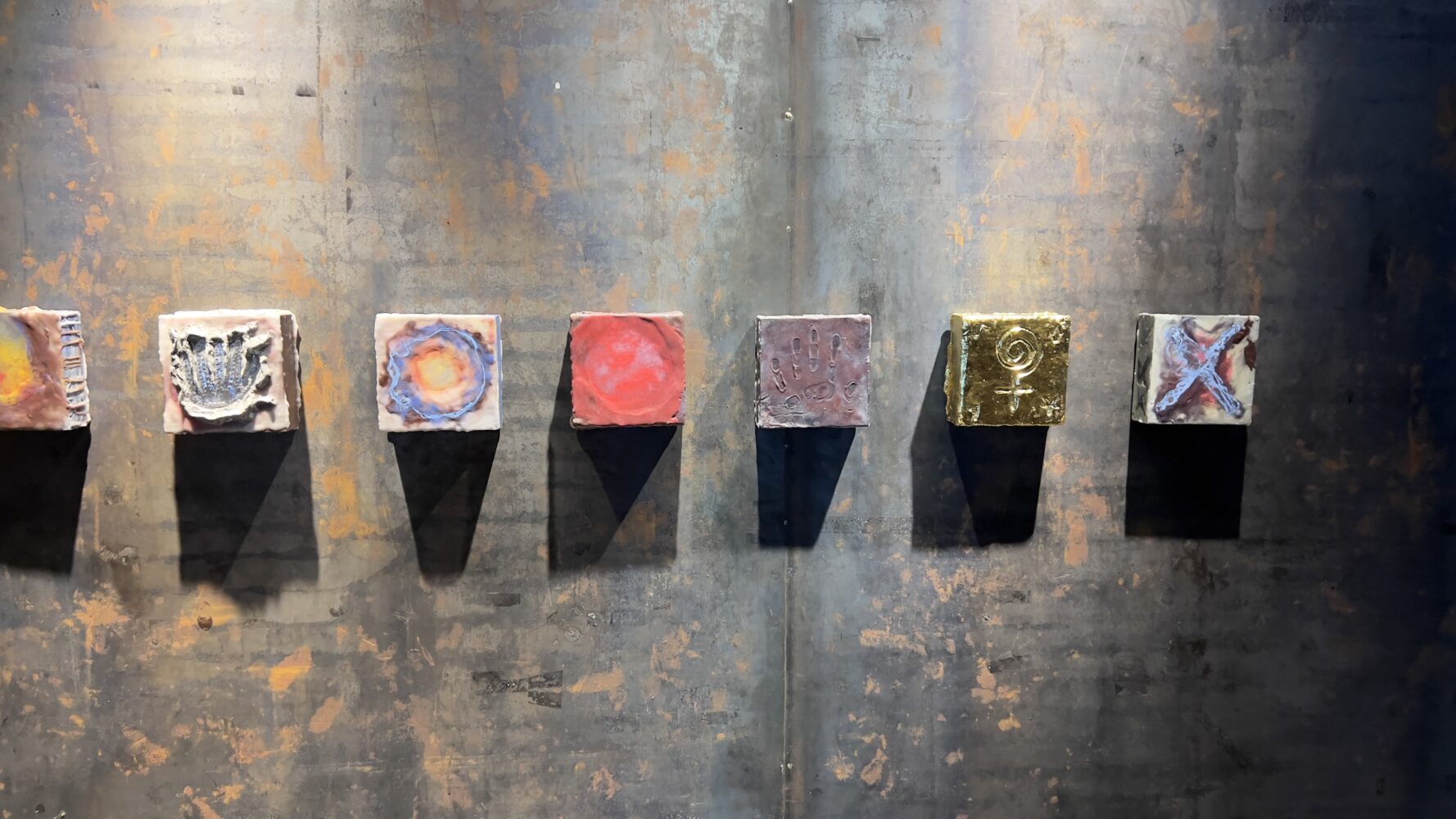
In a quiet corner of the ancient Greek lexicon sits the word poiesis , “to make,” “to create.” It is the root from which we get “poetry,” but its meaning runs far wider than verse. Poiesis describes the fundamental act of bringing something into being that did not exist before: the moment an idea leaves the mind and becomes matter. It is this moment, stretched across millennia, that gives the new group exhibition Poiesis its name and its purpose.
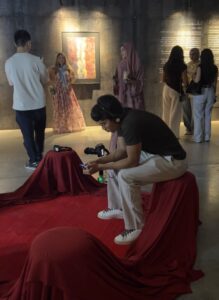
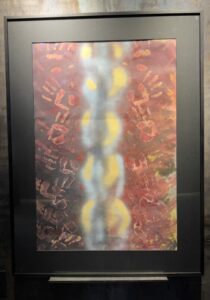
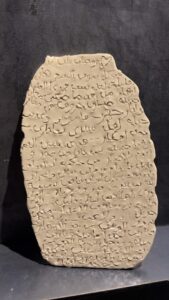
Curated by Sara Almaazmi, Poiesis is on show until September 1st at The Warehouse AE – Goshi Village. It is less a themed showcase than an inquiry. It asks a deceptively simple question: why do we feel compelled to give our ideas form? To answer it, the exhibition doesn’t look forward to trends or innovation, but backward to humanity’s earliest creative gestures. Cave paintings scratched by firelight, hymns passed down before they were ever written, carvings pressed into stone, symbols that stood in for things too large or sacred to say aloud. These are the exhibition’s true reference points: the threshold moments where human imagination first became material, where creative energy first found form.
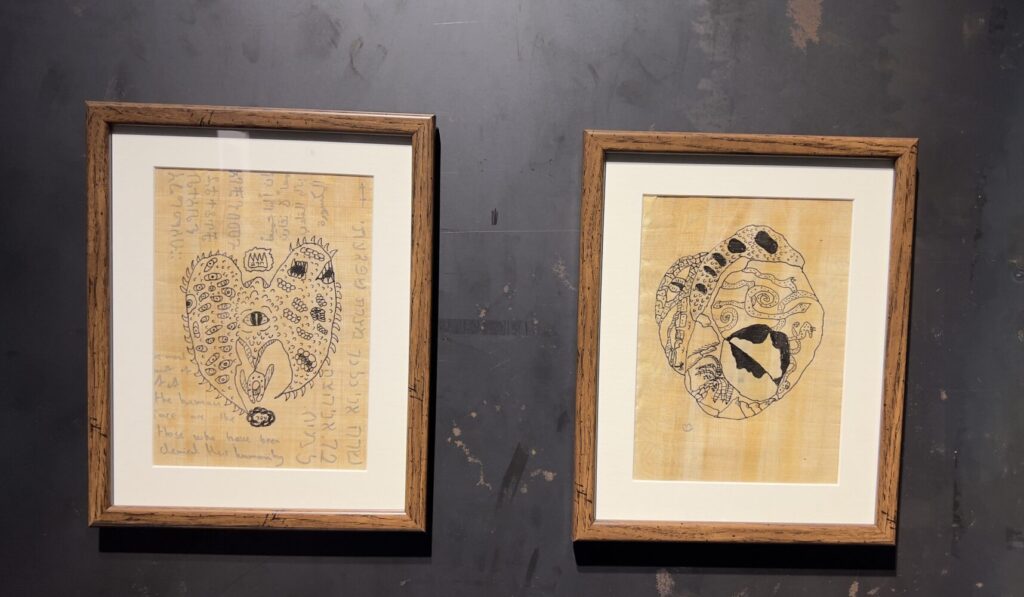
An Unbroken Lineage
The premise underlying Poiesis is that creation is not a modern invention or an individual talent so much as a shared inheritance , a lineage that runs unbroken from the first mark made on a cave wall to the last brushstroke, weld, or sound wave produced in an artist’s studio today. Every act of making, the exhibition suggests, is a continuation of that same ancient impulse: the need to externalize the internal, to leave evidence that a mind was here and it imagined something.
This is a generous curatorial idea, because it refuses to separate “high art” from the earliest human mark-making. A gallery wall and a cave wall become, in this framing, two moments in the same continuous act.
The Works
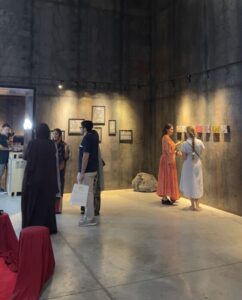
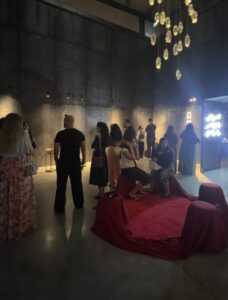
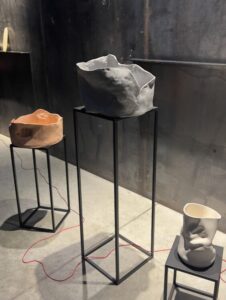
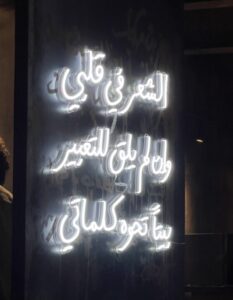
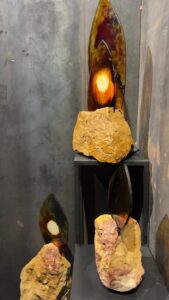
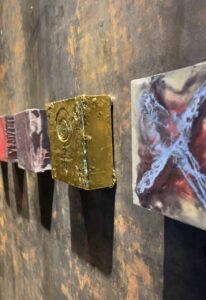
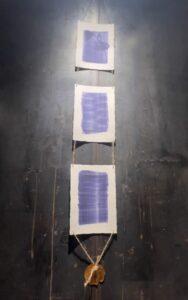
To explore this impulse, Poiesis draws on a deliberately wide range of media, sculpture, painting, sound, installation, and material exploration, treating each discipline as a different dialect of the same original language of making. The exhibition brings together five artists:
- Sedra Almansoori
- Sara Almaazmi
- Laura Xenopol
- Khalid Al Amimi
- Metha Naser
Each artist approaches the theme through their own material and conceptual vocabulary, but together their works form a conversation across time, one that treats contemporary art-making not as a break from ancient tradition, but as its latest expression.
Why It Matters
At a moment when so much cultural conversation is fixated on what’s new, new technologies, new movements, new ways of producing images and objects, Poiesis offers a deliberate pause. It reminds us that the impulse to create is not new at all. It is one of the oldest and most consistent things about being human. Before language was fully formed, before writing existed, people were already carving, singing, marking, and shaping the world around them into meaning.
By tracing contemporary practice back to that original threshold, Poiesis invites viewers to see the artists in the exhibition not as isolated contemporary voices, but as the latest participants in a very long, very human conversation, one that began in caves and continues, unbroken, in the gallery today.
“Poiesis” is on show until September 1st at The Warehouse AE – Goshi Village.
